Home Upgrading Advice Mintpalment: Practical Ways to Improve Your Home

Home upgrading advice mintpalment comes down to one order of work: fix safety and damage first, then comfort and energy use, then how the home functions, and only then how it looks. Set a renovation budget, keep a reserve for surprises, and upgrade in stages so each change proves its value before the next one starts. This guide covers every step, from the first walkthrough to the kitchen, lighting, storage, energy performance, exterior and long-term care.
What Does Home Upgrading Advice Mintpalment Mean?
Home upgrading advice mintpalment is a search phrase that blogs use for practical, budget-aware guidance on improving a house or apartment. We found no official program, standard or certification with that name in the government sources checked for this guide, so treat it as a label for sensible home improvement tips, not a regulated scheme. The advice below follows what federal agencies and housing publications say about sequencing work, protecting health and spending wisely.
Home upgrading covers a wide range of work: home renovation, home remodeling, home maintenance, interior design, exterior design and simple home décor changes. Some projects are cosmetic. Others fix real problems. Good planning keeps the two apart.
Why Home Upgrading Is a Smart Choice
A well-chosen upgrade makes daily life easier, improves comfort and can protect or raise value. Redfin’s guidance for first-time buyers says kitchens, bathrooms, energy-efficient upgrades and curb appeal tend to offer the best returns, though personal comfort still matters. That is property value enhancement through function, not trends.
The federal Home Performance with ENERGY STAR program, run by the U.S. Department of Energy and the Environmental Protection Agency, says whole-house improvements can make homes safer, healthier and more energy efficient, particularly in older homes built before efficiency standards existed. The program lists about 1,300 participating contractors.
Begin With the Needs of Your Home
Before choosing finishes, walk through each room and write down what does not work. Look for:
- poor or dim lighting
- not enough storage
- worn flooring
- awkward layouts
- outdated fixtures
- drafty windows or doors
- areas where clutter keeps returning
If the problem is the kitchen, cook a full meal and note what slows you down. Sort every issue into three groups: things that make daily tasks hard, things that make cleaning hard, and things that only bother you visually. Fix the first two groups first. Solving real problems beats following trends.
Measure before you shop. Record wall lengths, counter depth, aisle widths and ceiling height so nothing arrives that does not fit.
Plan the Upgrade Around a Clear Budget
Home renovation planning starts with a renovation budget you can defend, which is the core of home upgrading advice mintpalment. Redfin’s article suggests sorting projects into three tiers: urgent (safety or damage), necessary (functionality and daily living) and optional (cosmetic). It also advises reserving an extra 1% to 4% of the budget for surprise repairs, especially in older homes, and living in a new home for a few months before major projects.
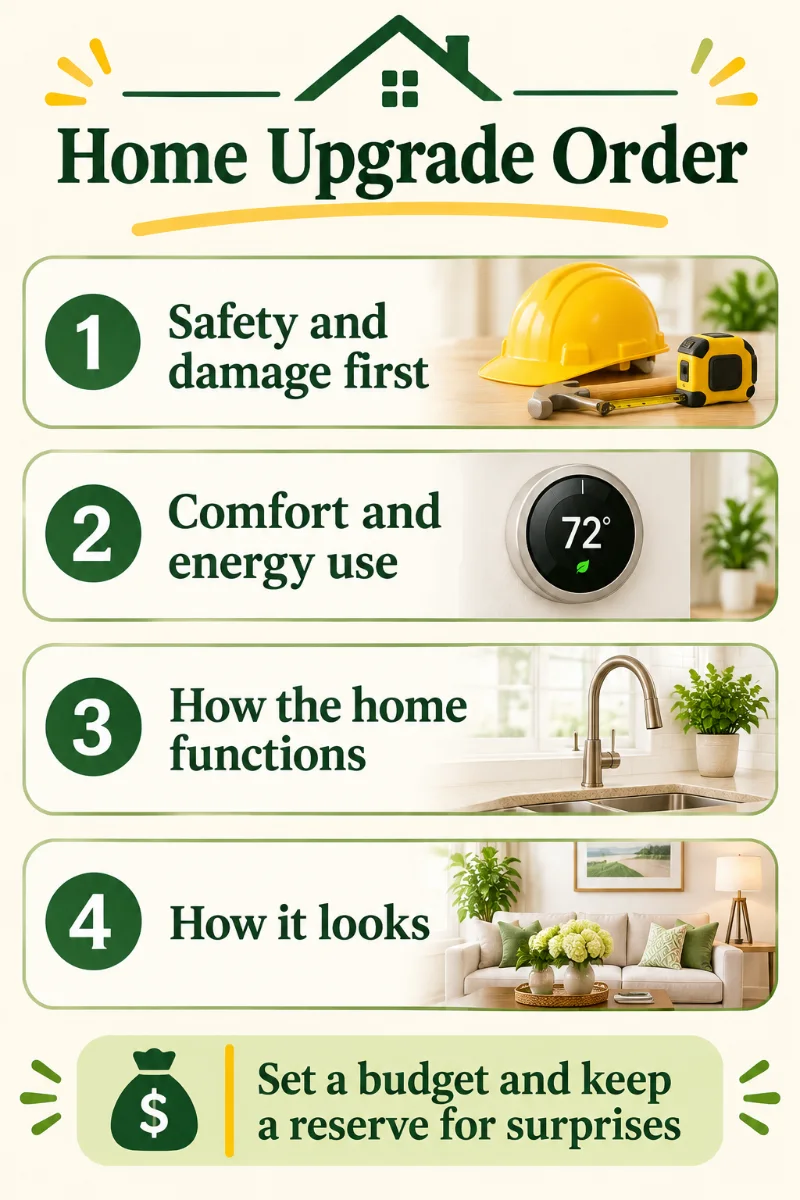
A practical priority order:
- Safety and essential repairs: leaks, faulty wiring, damaged flooring, roof and foundation concerns.
- Structural and maintenance issues: plumbing, electrical, HVAC.
- Comfort and energy efficiency: sealing, insulation, efficient equipment.
- Functional improvements: storage, lighting, layout.
- Appearance: paint, fixtures, décor.
Redfin’s closing summary says the same thing: protect the home, fix what is broken, improve how you live, then enhance aesthetics. Split your budget among repairs, functional upgrades, materials, labor and optional décor, and plan for hidden problems such as uneven floors, outdated wiring or water-damaged cabinet boxes.
Home Upgrades at a Glance
This table is a general guide to cost, effort and visible impact. Local prices vary, so get quotes before committing.
| Upgrade | Typical cost | Difficulty | Impact |
|---|---|---|---|
| Wall painting | Low | Easy | High |
| Cabinet hardware | Low | Easy | Medium |
| Motion-sensor or under-cabinet lights | Low | Easy to medium | High |
| Pull-out storage | Low to medium | Easy to medium | High |
| Faucet or fixture swap | Medium | Medium | Medium |
| Flooring upgrades | Medium to high | Medium to hard | High |
| Countertops | High | Professional | High |
| Appliances | High | Professional | Medium |
| Layout changes | Highest | Professional | High |
Home Upgrading Advice Mintpalment for Better Living
The cheapest wins come first. Home upgrading advice mintpalment is mostly about small, planned changes that add up:
- Declutter each room and keep only what you use.
- Improve lighting and let in natural light.
- Arrange furniture so people can move easily.
- Add storage boxes and baskets where clutter builds up.
- Repaint worn walls in colors that suit each room’s purpose.
- Keep the kitchen sink clear and bathrooms dry.
Home organization is not a one-time project. A short routine of returning items to their place beats a big monthly clean-up.
Affordable Ways to Refresh Your Home
You can change how a room feels without a contractor:
- Repaint walls or old furniture.
- Add matching rugs, curtains and cushion covers.
- Bring in indoor plants.
- Swap tired accessories for a few chosen pieces.
- Buy only the furniture you need.
Reddit’s Home Improvement community has its own cheap favorites, as summarized by Apartment Therapy: interior painting (one user said it made a house feel 20 years newer), sliding shelves in lower cabinets, motion-sensor lights in dark spots, soft-close hardware and a single-basin kitchen sink. These are anecdotes, not tested results, but they show the pattern: small fixes to daily annoyances feel big.
Create a More Functional Interior
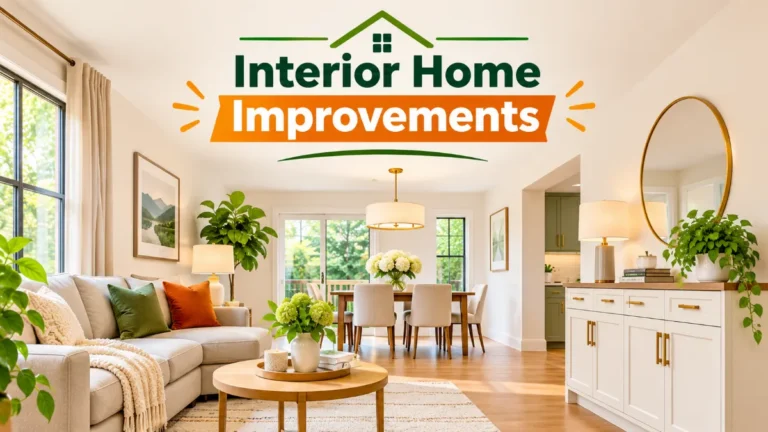
Space optimization means making each room do its job well. Size furniture to the room, remove unused pieces and keep frequently used areas easy to reach. For more room-by-room ideas, browse our blog home ideas guide.
- Use multipurpose furniture such as storage ottomans and fold-down tables in small rooms.
- Match colors to purpose: calm tones where you rest, lighter tones where you work.
- Create a cozy corner for reading or studying with a lamp and a comfortable chair.
- Keep entryways clear so coats, shoes and bags have a place.
Furniture upgrades also have a safety side. The U.S. Consumer Product Safety Commission (CPSC) recommends anchoring furniture and TVs to prevent tip-over, and it advises an anti-tip bracket for ranges.
Give the Kitchen a Meaningful Upgrade
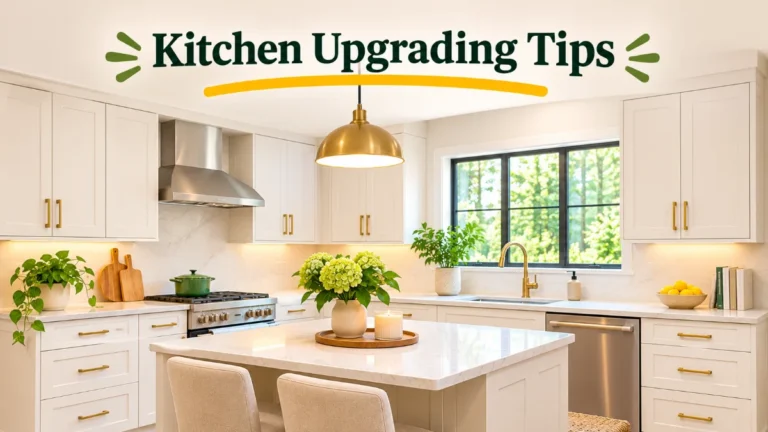
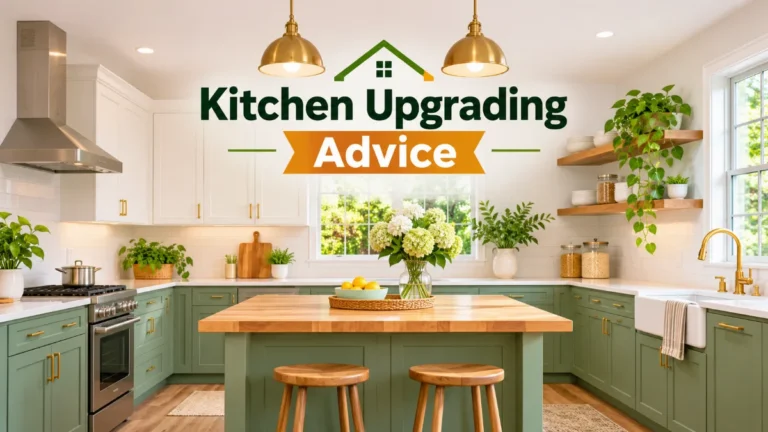
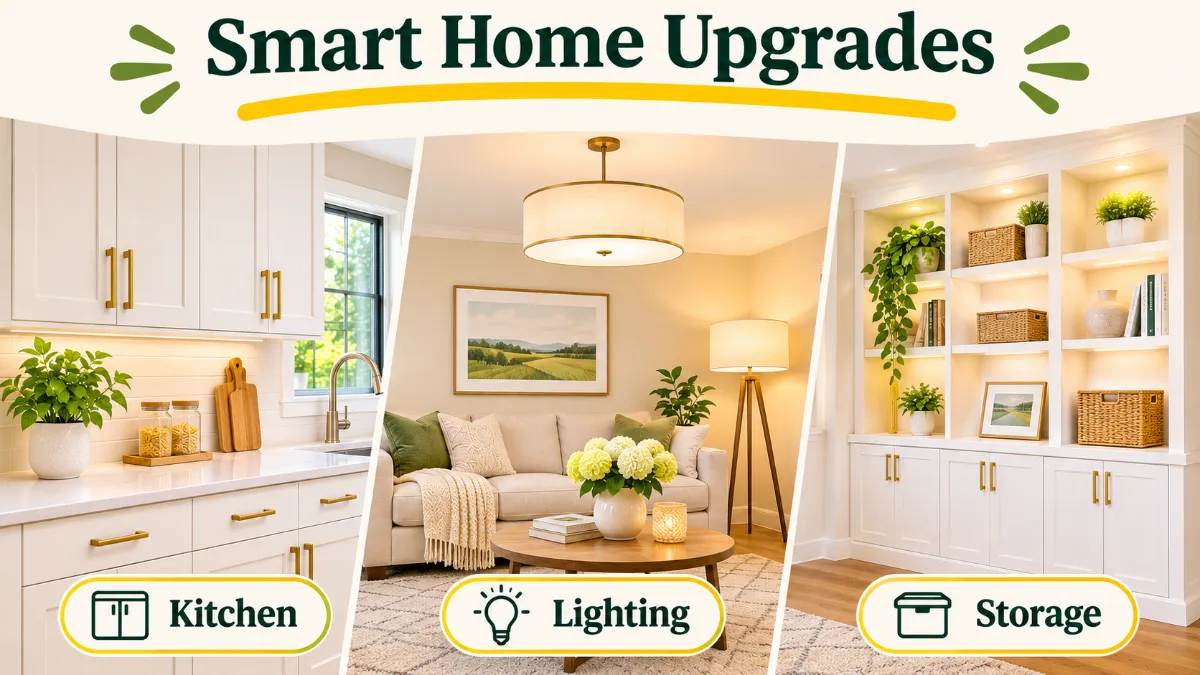
Kitchen upgrades do not need a full rebuild. Work in this order: assess, plan, then upgrade the pieces that fix daily frustration. Kitchen upgrading advice mintpalment guides generally describe three scopes: a refresh that changes surfaces and keeps the layout, a pull-and-replace that keeps the footprint but swaps cabinets, counters and appliances, and a full remodel that changes the layout and often moves plumbing, gas or electrical lines.
Cabinets: Refresh Before You Replace
If the cabinet boxes are sound, repainting is usually the strongest refresh. Clean, lightly sand, prime and use durable cabinet paint in a light neutral. Replace old handles, tighten or fix hinges, and consider soft-close hardware. Refacing sits in the middle. Replace cabinets only when the boxes are damaged or the layout cannot be fixed. Some guides suggest swapping a few upper cabinets for open shelving, or pairing light uppers with darker lowers for balance.
Countertops: Choose for Daily Use
Choose for how you cook and clean, then check budget and installation.
- Quartz: consistent patterns and easy maintenance, but protect it from excessive heat.
- Granite: natural patterns, though some finishes need sealing.
- Butcher block: warm, but needs regular oiling.
- Laminate: affordable, but can chip and is vulnerable to hot pans.
- Solid surface: a seamless look that can scratch.
- Marble: beautiful but stains easily.
Measure carefully and check seams, sink cutouts and overhangs. Countertop installation is best left to professionals.
Kitchen Lighting: The Upgrade People Skip
Use three layers instead of one ceiling light: ambient lighting for general use, task lighting such as under-cabinet strips for food preparation, and accent or pendant lighting over an island or dining area. Warm bulbs suit comfort, while neutral light suits work areas. Dimmers help. Clean windows and clear the space in front of them to maximize natural light.
Storage: More Space Without a Bigger Kitchen
Remove what you do not use first. Then add pull-out shelves, deep drawers, drawer dividers, door-mounted racks and vertical organizers for trays and boards. Arrange items by how often you use them, label pantry containers, and avoid overfilling so the kitchen stays open.
Layout and the Work Triangle
The work triangle links the sink, stove and fridge. Keep paths clear and make sure doors and drawers open fully. An island needs walkable space on all sides, and in a small kitchen it can block the triangle. Moving the sink or stove is the costliest change and is rarely necessary.
Appliances, Fixtures and Ventilation
Check the condition of existing equipment before replacing it. When you buy, compare energy efficiency, size, connection type (gas, electric and water are not interchangeable), installation needs and warranty. Avoid oversized appliances.
ENERGY STAR notes that HVAC systems and water heaters offer some of the largest potential savings, and the water heater is the second-highest energy user in the home. An ENERGY STAR certified heat pump water heater uses about 70% less energy than a standard electric model and can save a family of four over $550 a year, according to ENERGY STAR. It may cost about $700 more upfront, with savings of about $3,500 over its life, and many utilities offer rebates of $25 to $1,000.
Ventilation matters because cooking produces heat, moisture, odors and airborne particles. Install a range hood suited to the cooking area, clean grease filters regularly, run the exhaust whenever you cook, and check ducting space before buying. A hood that vents outside or a recirculating hood with a clean filter both count as working ventilation. A new faucet, modern handles or a fresh backsplash can finish the look.
Flooring and Finishes
Porcelain tile is durable and water resistant. Luxury vinyl plank also handles water well. Hardwood needs care near the sink and dishwasher. Wipeable paint works well on kitchen walls. Keep the palette simple and add color through removable items such as towels, plants and bowls.
How to Plan a Kitchen Upgrade on a Budget
List problems first, then repairs, functional upgrades and optional decor. Rank cabinet repair and ventilation as high priority, lighting and storage as medium, and fixtures and backsplashes as optional. Work in stages, measure before ordering and use qualified professionals for electrical, plumbing, gas or structural work.
Use Lighting to Transform the Atmosphere
Lighting improvements are among the most effective changes in any room. Combine ambient, task and accent lighting, and keep windows unobstructed. Use window treatments that give privacy without making rooms too dark.
- Warm light creates a relaxing mood.
- Brighten dark corners with floor lamps or motion-sensor lights.
- Add task lighting for reading and bedside lamps in bedrooms.
- Use mirrors to reflect light.
- Layer lighting in the dining area.
Child safety applies here too. The CPSC promotes cordless window coverings because cords are a strangulation hazard.
Make Storage Part of the Design
Plan storage around how you live, not around hiding everything. Built-in shelving, organized cabinets, under-bed storage, entryway furniture and multifunctional pieces all give everyday items logical homes. Reddit users also praised heavy-duty garage shelving, saying it cleared floor space and helped them declutter.
Improve Comfort and Energy Performance
Energy efficiency means using less energy to do the same job, according to ENERGY STAR, which cuts bills and pollution. Common targets include drafty windows, poor home insulation, inefficient lighting and outdated appliances. ENERGY STAR says certified windows reduce heat exchange and air leaks, and ENERGY STAR certified homes are at least 10% more efficient than homes built to code.
Sustainable home upgrades work best when you start with a whole-house view. Home Performance with ENERGY STAR begins with a comprehensive assessment, then trained contractors do the recommended work under quality assurance rules.
Pair Energy Upgrades With Healthy Air
The EPA’s indoor air quality guidelines for energy retrofits say integrated retrofits can lower utility costs and improve indoor air quality at the same time. They also warn that retrofits can hurt indoor air if no proper home assessment is done and air quality issues are not addressed. The guidelines are voluntary, not new EPA regulations, and they do not replace state or local requirements. They cover assessment protocols, minimum actions and optional expanded actions.
Safety Upgrades to Do With Any Renovation
The CPSC lists several protections worth checking during electrical upgrades and plumbing upgrades:
- Smoke alarms and carbon monoxide alarms.
- Arc fault circuit interrupters (AFCIs) for fire protection and ground fault circuit interrupters (GFCIs) against severe shock.
- A water heater set to 120°F to avoid scalds.
- A clean dryer vent, exhaust duct and lint filter.
- Checks for asbestos, biological pollutants and formaldehyde before renovation.
Bathroom renovation projects should add proper ventilation and water-safe electrical protection. Smart home technology is optional. Add it after the basics, and confirm it works with your existing wiring and apps.
Refresh the Exterior With Purpose
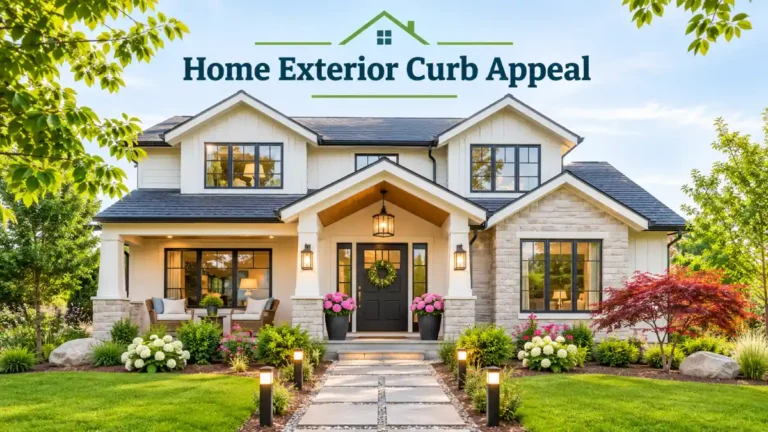
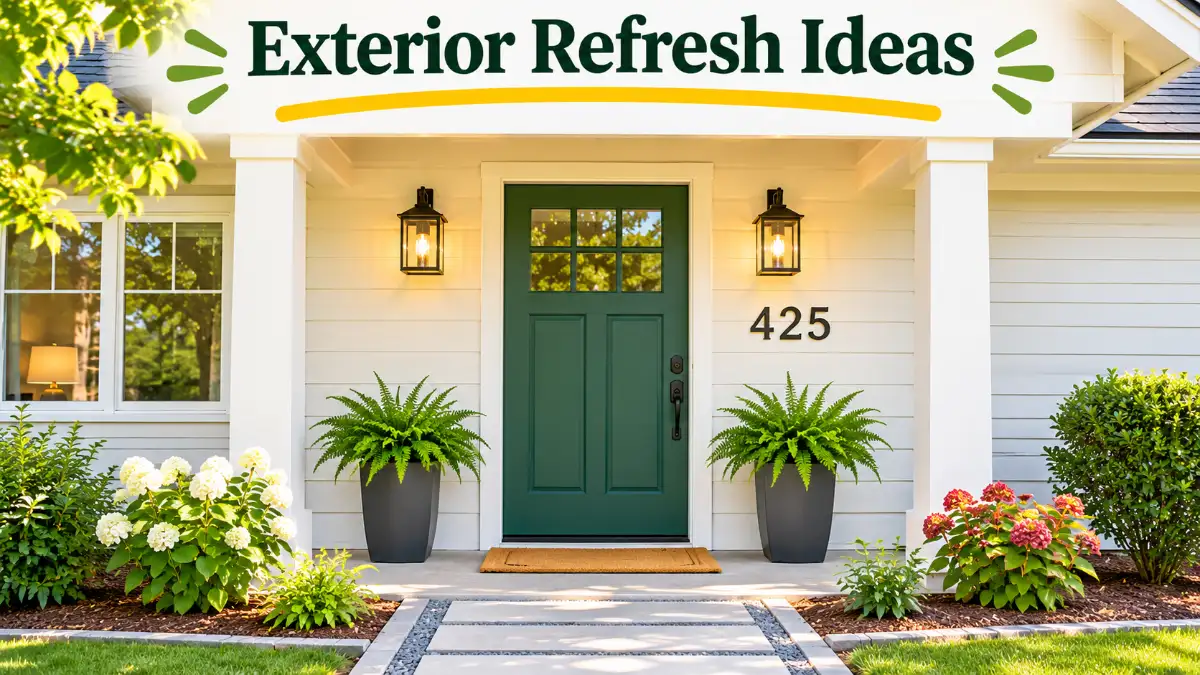
Curb appeal should stay tied to function. Useful exterior design steps include a clean entrance, maintained landscaping, outdoor lighting, refreshed doors, repaired pathways and an orderly porch. Choose materials and colors that suit the home’s architecture and surroundings. Check roofing improvements and drainage before painting, because a fresh coat over a leak is wasted money.
Personalize Your Living Space
A home should reflect the people who live in it. Display family photos and wall art, add plants and decorative cushions, use cozy blankets, and paint walls or furniture in colors you love. Tailor the kitchen, living room and bedroom to personal taste. Modern home design can stay warm if you keep the base neutral and let accessories carry personality.
Focus on Long-Term Home Care
Home maintenance protects every upgrade you make. Fix small repairs promptly, protect electrical switches from water, check walls and ceilings for stains or cracks, and follow a regular maintenance schedule. Keep furniture clean and appliances organized.
Simple Habits for a Cleaner and More Organized Home
- Clean a little every day instead of waiting.
- Return items to their place after use.
- Remove things you no longer need.
- Dust regularly and give extra attention to the kitchen and bathroom.
Delayed cleaning makes dirt harder to remove, and grime shortens the life of finishes.
DIY or Hire a Professional
Home upgrading advice mintpalment treats this split as a safety line. DIY home projects suit painting, hardware swaps, peel-and-stick backsplashes, storage organization and light fixture covers. Hire a professional for plumbing, gas, new circuits, wall removal and countertop installation. Get multiple quotes and confirm in writing what each includes.

Choose home improvement materials that match the room. Wet areas need water-resistant finishes, and busy surfaces need durability.
Choose Timeless Improvements Over Passing Trends
Prioritize neutral foundations, durable materials, practical layouts, quality lighting and well-planned storage. Let personal style come through items that are easy to replace, such as artwork, textiles, accessories and furniture. Trendy finishes date quickly, while good bones stay useful. For paint and color decisions that hold up over time, see our guides to Neutral Ground and Edgecomb Gray.
Mistakes That Can Affect Your Home’s Appearance
Most mistakes that home upgrading advice mintpalment guides warn about come down to planning, not taste:
- Shopping before measuring.
- Moving the sink or stove without a real reason.
- Choosing countertops only for looks.
- Skipping ventilation.
- Forcing an island into a small kitchen.
- Spending the whole budget on finishes.
- Ignoring small repairs.
- Overfilling counters and rooms with decor and furniture.
- Relying on decorative lights instead of task lighting.
- Buying oversized appliances.
- Following trends that do not suit the layout or family.
- Skipping daily cleaning and letting clutter build up.
Is It Worth Upgrading Your Home?
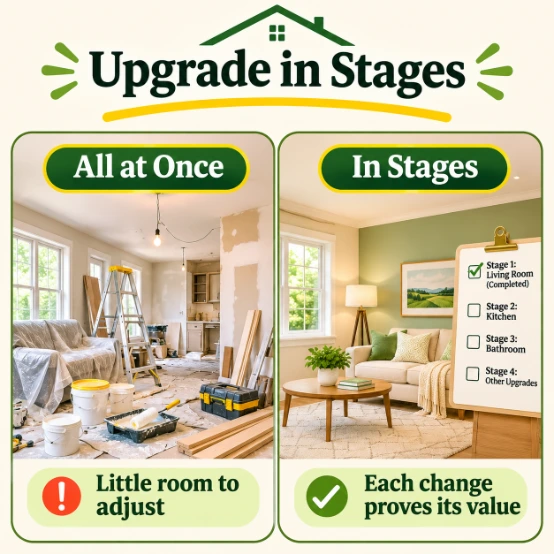
Home upgrading advice mintpalment says yes, if the upgrade solves a real problem. Fix function before appearance, and use property improvement to protect the house first. Stage large jobs so each step earns its place. Redfin suggests, for example, updating appliances and finishes before a full remodel. If an upgrade only follows a trend, wait.
Frequently Asked Questions
What does home upgrading advice mintpalment mean?
Home upgrading advice mintpalment is a search phrase for practical, budget-aware guidance on improving a home. No official program or standard uses the name.
Which home upgrades should I do first?
Start with safety and damage, then comfort and energy efficiency, then function, then appearance. Redfin’s guidance puts urgent repairs ahead of cosmetic work.
What is the cheapest home upgrade worth doing?
Interior paint, better lighting and new cabinet hardware are low-cost, high-impact starting points. Reddit users also praise motion-sensor lights and soft-close hardware.
Should I paint my kitchen cabinets or replace them?
Paint them if the boxes are sound. Replace cabinets only when they are damaged or the layout cannot work.
How much should I set aside for surprise repairs?
Redfin suggests reserving an extra 1% to 4% of the budget, more for older homes.
Which countertop is best for a busy kitchen?
Quartz is a common all-round choice because of easy maintenance, but protect it from excessive heat. Choose by cooking habits, cleaning preferences and budget.
Do I need a contractor for a home upgrade?
Not for painting, hardware or storage. Plumbing, gas, new circuits, wall removal and countertop installation need a professional.
Do energy-efficient upgrades pay off?
Often. ENERGY STAR says a certified heat pump water heater can save a family of four over $550 a year, and certified homes are at least 10% more efficient than code.
Which upgrades make a home safer?
Smoke alarms, carbon monoxide alarms, GFCIs and AFCIs, anchored furniture, cordless window coverings and a water heater set to 120°F, per the CPSC.
What upgrades do homeowners say are worth it?
On Reddit, repeated picks include interior paint, motion-sensor lights, sliding cabinet shelves, soft-close hardware and a single-basin kitchen sink.
Final Thoughts
Home upgrading advice mintpalment is simple to follow: understand the home, set a budget, fix real problems first, and upgrade in stages. Aim for function, comfort and long-term appeal, and let each project prove its value before you start the next.