How to Decorate My House Decoradhouse: A Practical Guide for Every Room
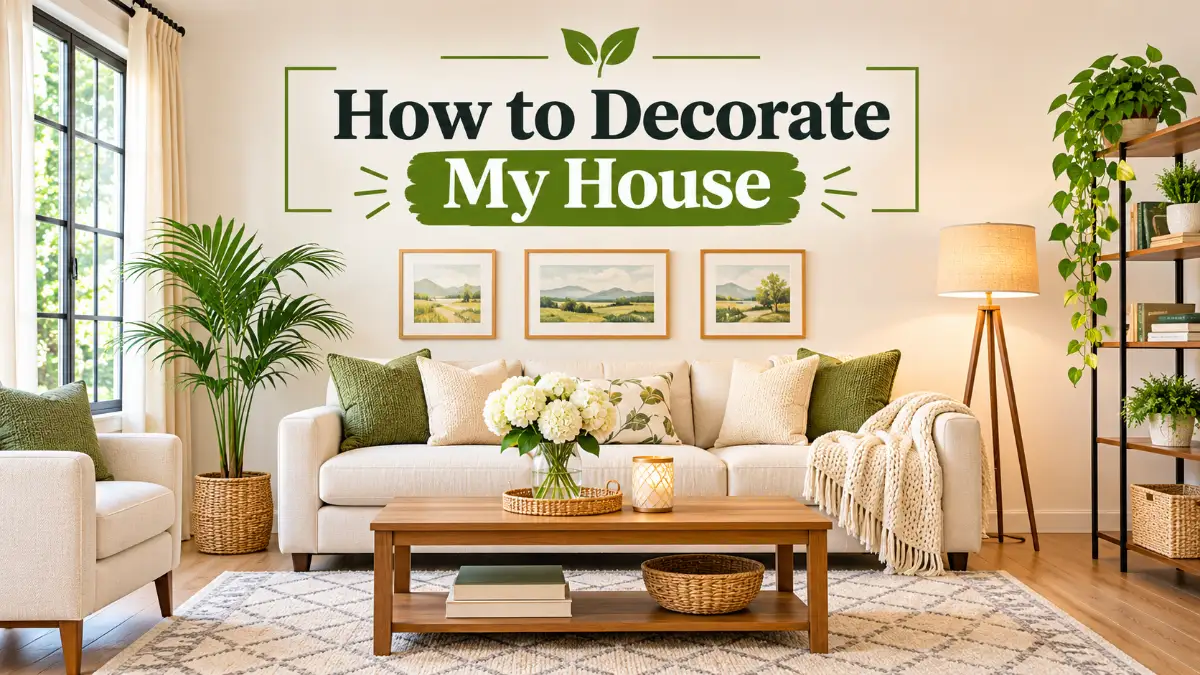
The short answer to how to decorate my house decoradhouse is to work in a fixed order: plan and measure, declutter, choose a three-color palette, fix the lighting, arrange furniture around one focal point, then add textiles and accessories. This follows the Decoradhouse idea of functional, uncluttered rooms and works in any home, from a rental apartment to a family house.
Most decorating regrets come from buying before measuring and painting before testing. This guide gives you the sequence, room-by-room ideas, budget and renter options, and a weekend plan you can start today. It is written for US homeowners and renters, including first-time decorators with a small budget or a small space.
Quick steps:
- Measure rooms and doorways, then list your biggest problems.
- Declutter and rearrange what you already own.
- Pick a palette with the 60-30-10 rule and test paint samples.
- Layer ambient, task and accent lighting.
- Add textiles, plants and accessories in odd-numbered groups.
What Is Decoradhouse, and How Does Decoratoradvice Fit In?
Online guides use Decoradhouse to describe a minimalist, practical way of decorating: smarter furniture, better light, less clutter and no need for a full overhaul. Some pair it with Decoratoradvice, described as the planning side that covers budgets and renovation guidance. Decoradhouse upgrade tips and the decoration tips Decoradhouse from Decoratoradvice share the same core idea: make a home work for daily life first, then style it. That is why how to decorate my house decoradhouse begins with function, not trends.
Neither name is a licensed standards body, so treat them as a framework, not a certification. The advice below is checked against recognized sources, including the American Society of Interior Designers (ASID), Sherwin-Williams, IKEA and ENERGY STAR.
How to Decorate My House Decoradhouse: Start With a Simple Home Decorating Plan
Identify Your Biggest Decorating Problems
Start with your lifestyle: who uses each room and how. Then walk through it and note what bothers you: a dark corner, a sofa blocking the walkway, nowhere to drop keys. Fix the problem, not the style. An oversized coffee table needs replacing, not more accessories. Also note what already works, because a good plan keeps it.
Measure Before Buying Furniture
Measure rooms, doorways, hallways and stairs. Then mark each new piece’s footprint on the floor with painter’s tape and check that walking routes stay comfortable. A sofa that fits the room but not the doorway is still a mistake.
Set Priorities and a Realistic Budget
Sort every idea into three lists: essential fixes, useful updates and optional extras. Spend first where you use a room daily. Choose quality over trends for what you touch every day, such as the sofa, mattress and lighting.
Choose a Home Decorating Style That Feels Natural
Pick what you like rather than a label. Modern, farmhouse and Scandinavian are starting points, not rules.
Create a Cohesive Look
A cohesive look in home decor comes from repetition. Repeat two or three colors or materials across rooms, such as warm wood, black metal and cream fabric. Furniture does not need to match, but it should share a mood. Matching sets often look flat, so mix finishes and fabrics.
Use Inspiration Photos Wisely
Save about ten photos of rooms you love, then look for patterns: color, light, materials and how full the shelves are. Copy the pattern, not the room.
Add Personal Touches
Art, photos, souvenirs and DIY pieces make a home feel lived in. Hang art at eye level and leave breathing room between frames.
Choose Colors That Work With Your Existing Home
Build a Simple Color Palette With the 60-30-10 Rule
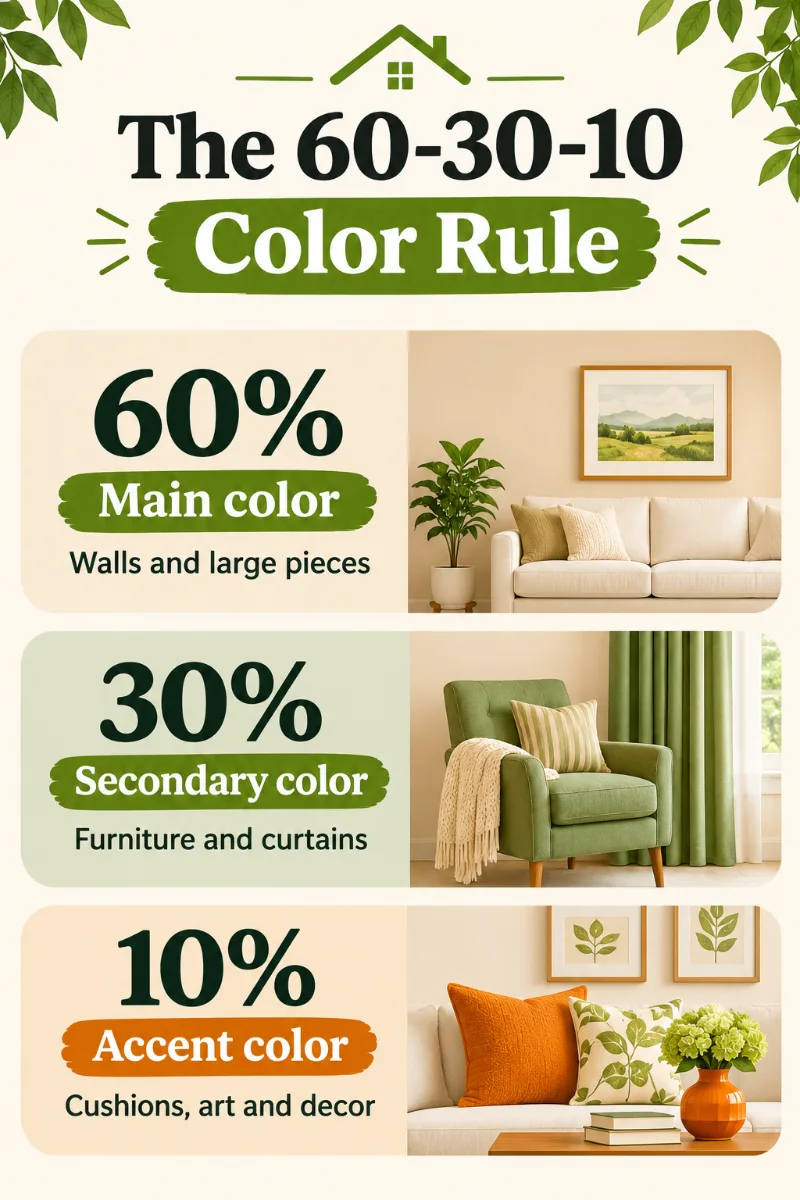
When people ask how to decorate my house decoradhouse with color, the answer is restraint. Start with a neutral color palette: white, beige, gray and soft earth tones. Then apply the 60-30-10 rule, a common designer guideline. Use about 60% dominant color (walls, large rugs), 30% secondary color (sofa, curtains) and 10% accent color (cushions, art). Keep ceilings and trim neutral and save bolder shades for accents.
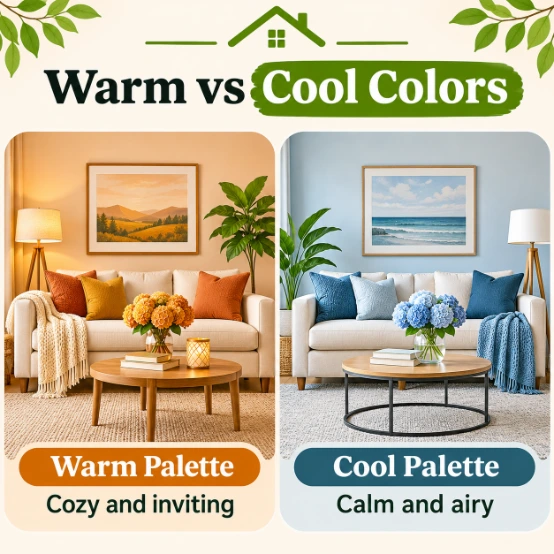
An accent wall can add depth to one room without committing the whole house. Choose the wall behind your focal point. For good color coordination, pick shades that share an undertone so a warm beige does not fight a cool gray. Our color guides show how a warm neutral such as Neutral Ground SW 7568 or Edgecomb Gray HC-173 changes between morning and evening light.
Test Paint Before Committing
Paint samples change with light. Sherwin-Williams offers up to 10 free color chips, Peel & Stick Samples that go on walls without harming existing paint, and Color to Go quart samples for bigger test patches. Compare them over several days, in daylight and with lamps on.
Check the Light Reflectance Value (LRV) on the back of each chip. It runs from 0 to 100, and darker rooms benefit from higher values. As Sherwin-Williams puts it, color cannot add light to a room. Apps such as ColorSnap Visualizer let you preview colors on a photo of your walls before you buy paint.
Coordinate Colors Without Overmatching
Build around what you keep. A dark sofa pairs well with cream curtains and a lighter rug. Aim for related tones, not identical ones.
Functional Furniture and Furniture Arrangement
Choose functional and multi-functional furniture first. Storage ottomans, sofa beds, nesting tables and extendable dining tables earn their space in smaller homes. Test comfort in person and keep frames neutral, so cushions and throws carry the color.
For furniture arrangement, define one focal point, such as a window, fireplace or media wall, and face seating toward it. Keep clear walking routes. Pushing every piece against the wall usually makes a room feel emptier, not larger.
Layered Lighting
Lighting changes a room more than most purchases. Use layered lighting:
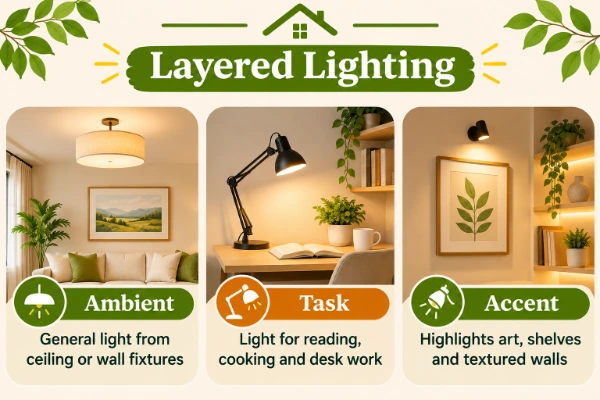
- Ambient lighting gives general light, from ceiling fixtures or wall lights.
- Task lighting supports reading, cooking and desk work.
- Accent lighting highlights art, shelves or a textured wall.
A single ceiling fixture tends to flatten a room. Add table and floor lamps, install dimmers and choose warm bulbs, around 2700K, in living spaces. Place a mirror opposite a window to reflect daylight. ENERGY STAR states that certified LED lighting uses 90% less energy and lasts 25 times longer than traditional incandescent lighting, so swapping bulbs is a cheap upgrade.
Textiles, Accessories and Flooring
Textiles (rugs, cushions, throws and curtains) change a room’s mood faster than any other item. Mix textures such as wool, linen, leather and velvet within one color family. Where possible, choose a rug large enough for the front legs of your main seating to rest on it.
For flooring and textures, layer a rug over hard floors and balance smooth surfaces with woven or matte ones.
Wall Art and Decorative Features
Hang art with its center at about eye level and keep even spacing between frames on a gallery wall. Lean a large mirror or framed piece on a shelf for a relaxed look. One strong decorative feature per room, such as an accent wall, a statement lamp or a large piece of art, reads better than several competing ones.
Use the 3-5-7 rule for accessories. Groups of three, five or seven objects look more dynamic than even-numbered groups. Vary height and size, and leave space between groups. In a formal dining room, where symmetry often looks better, use it sparingly, such as in a centerpiece.
Room-by-Room Decorating Ideas
Living Room Decorating Ideas
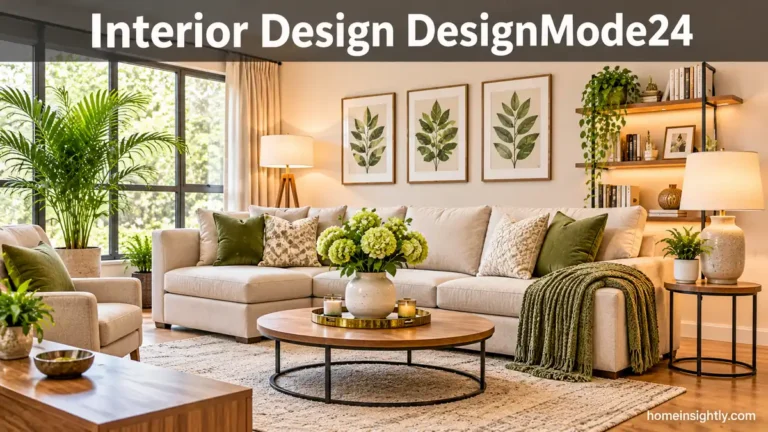
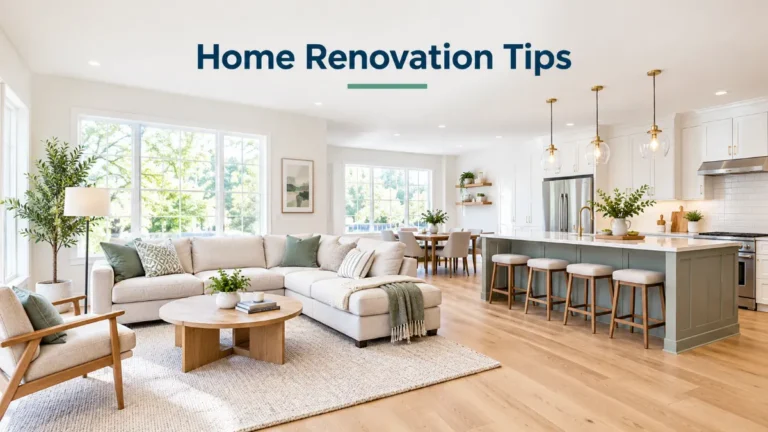
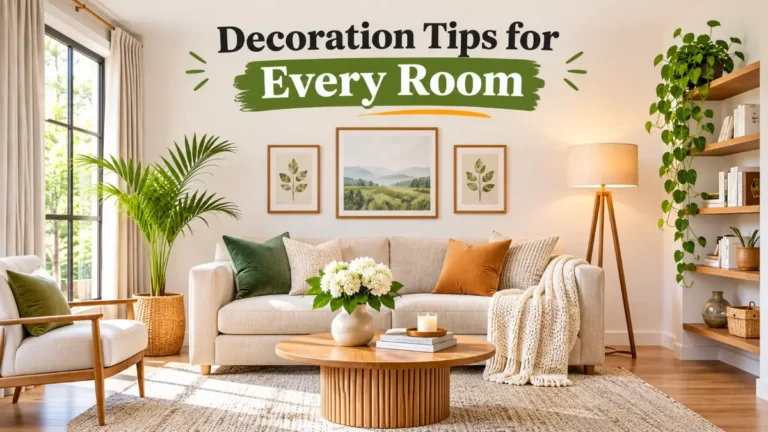
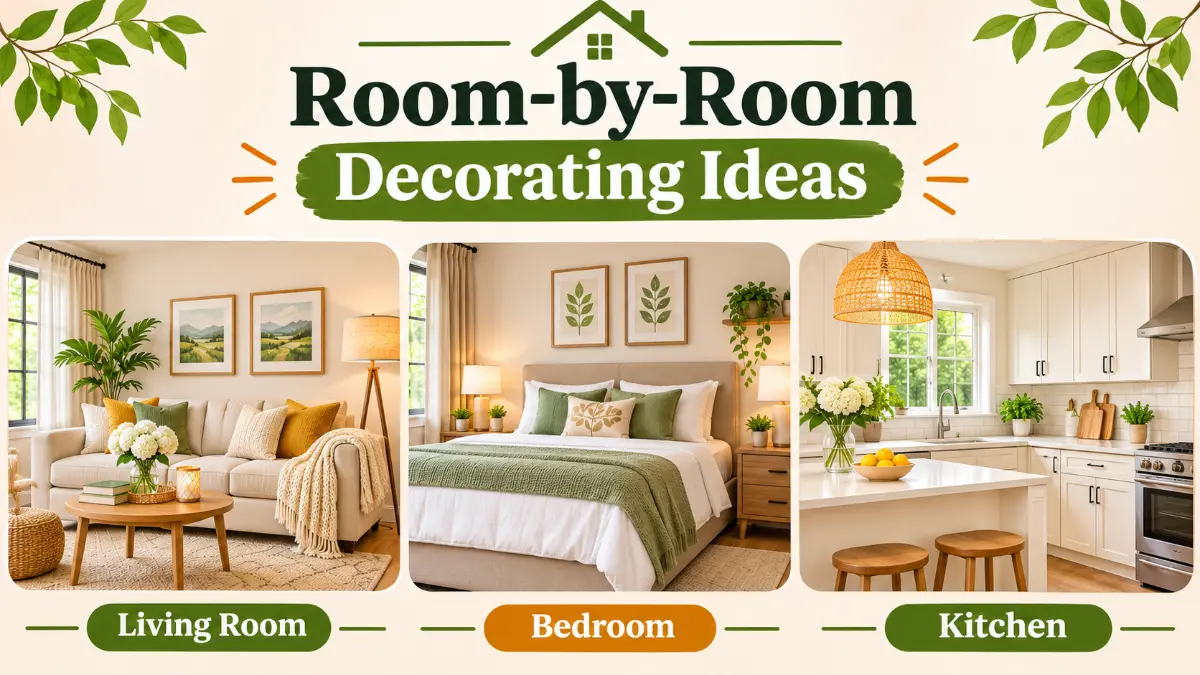
For how to decorate my house decoradhouse in the living room, start with a neutral sofa, a solid coffee table and simple wall art. Use a rug to define the seating zone in an open-plan space and avoid crowding. Add at least two lamps. In a small living room, lighter paint and good use of natural light help the space feel larger.
Bedroom Decorating Ideas
Place the bed first and leave room to reach closets and drawers. Choose soft bedding, repeat two or three colors across bedding and curtains, and use warm bedside lamps instead of cool white bulbs. Under-bed storage keeps surfaces clear and the room calm. For more layouts and decor combinations, see our blog home ideas guide.
Kitchen and Bathroom Decorating Ideas
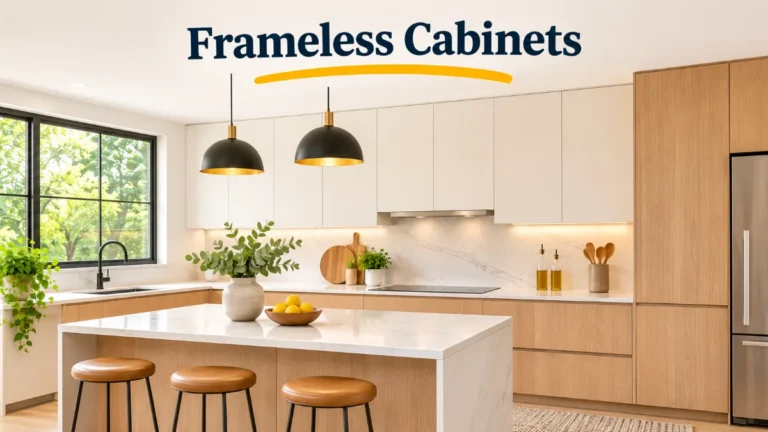
A kitchen refresh does not need a remodel. Clear the counters, add a runner, improve task lighting and update hardware. Hardware upgrades such as cabinet handles, drawer pulls and faucets change the look quickly. Check that new pulls fit the existing screw holes. A tidy kitchen also counts as decoration, because order makes it look balanced.
In a small bathroom, use neutral colors, a floating vanity or wall shelf, and a well-placed mirror. Choose moisture-appropriate materials and keep the counter uncluttered.
Dining Room and Entryway Decorating Ideas
Size the dining table to how you actually use it and leave room to pull out chairs. A low centerpiece keeps conversation easy.
For home entrance decorating, give shoes, bags, keys and coats a place: a bench, wall hooks and a tray. Keep narrow hallways clear, then add a mirror and one lamp for a welcoming first impression.
Outdoor Areas and Balcony
Container plants, a bistro set, cushions and string lights turn a balcony into an extra room at low cost. Vertical planters suit narrow spaces. Check building rules before you hang anything.
How to Decorate a Small House Without Creating Clutter
Applying how to decorate my house decoradhouse to a small home means editing before adding.
Choose Furniture That Fits
Pick a two-seat sofa and compact tables over an oversized sectional. Multi-functional pieces save floor space, and rearranging what you own should come before buying anything new.
Storage and Organization: Vertical Storage and Smart Storage to Reduce Clutter
Vertical storage, such as tall shelves, wall organizers, hooks and floating shelves, uses wall space and keeps floors clear. Mix closed and open storage, and leave gaps between objects.
Smart storage reduces clutter at its source: under-bed bins, closet organizers, decorative baskets and closed cabinets. Start with decluttering, which costs nothing and often does more than a new purchase.
Keep Walkways Clear
Check doorways, closet access and routes between rooms after every change. If you have to turn sideways to pass, something is too big.
Bring Nature Indoors
Indoor Plants for Home Decor
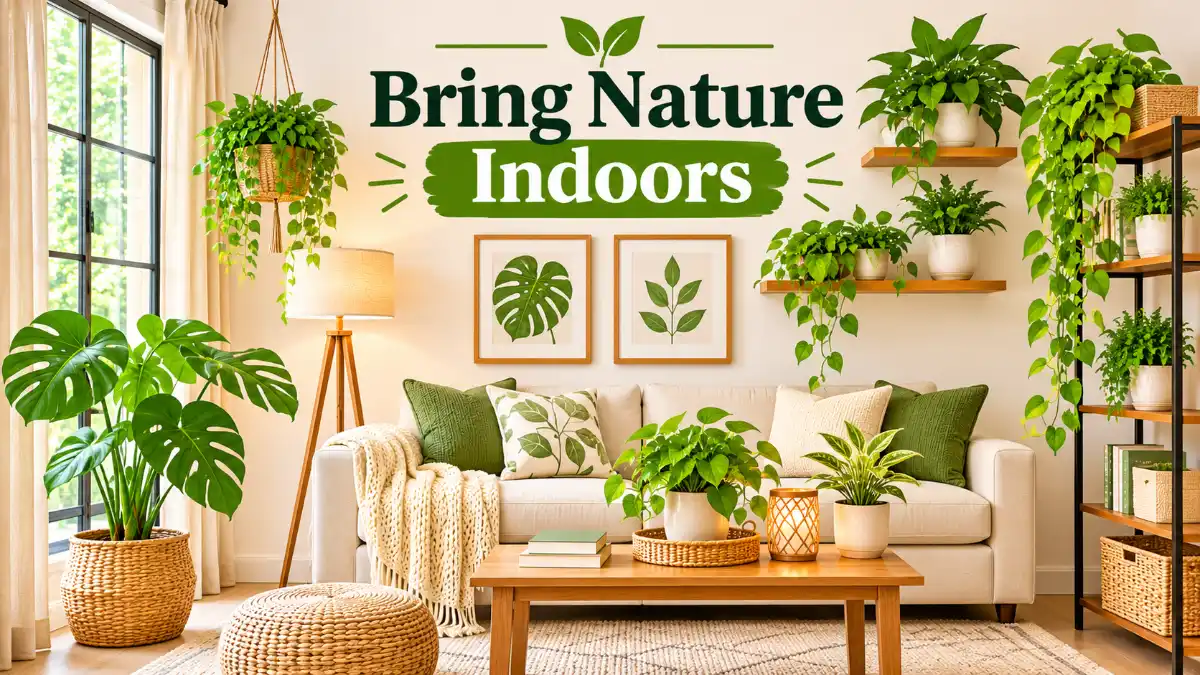
Start with one or two plants. Snake plant and pothos suit low-maintenance care. Monstera and peace lily prefer bright, indirect light, and a fiddle-leaf fig can drop leaves in a dim corner. Match the plant to the light, not only the look.
Eco Friendly Materials for Home Decor
FSC-certified wood, bamboo, reclaimed wood, recycled metal, woven baskets and natural fabrics are durable, eco friendly options. Secondhand furniture often needs only light sanding and a fresh coat of paint. Durability matters more than the label.
Smart Home Features and Energy Efficiency
Smart bulbs, plugs and thermostats add convenience, and LED bulbs cut energy use. Hide cords with simple cord management so technology does not dominate a room. ASID’s 2026 Trends Outlook notes that smart devices raise electrical demand, so check outlets and circuits before adding many.
Budget-Friendly Home Decorating Ideas
How to Decorate My House on a Small Budget: Start With Free Changes
For anyone asking how to decorate my house decoradhouse style on a tight budget, the first step costs nothing. Rearrange furniture, declutter, clean, move accessories between rooms and store seasonal items.
Make a Few Targeted Purchases
Buy only to solve a named problem. Compare measurements, durability, cleaning needs and return policies, and do not buy something only because it is discounted. Warm bulbs, a rug, curtains and a few cushions give the biggest visual change per dollar.
Know When a Larger Investment Makes Sense
Replace items that are worn out or no longer fit how you live, especially things you use daily. For structural, electrical or plumbing work, hire a qualified professional. ASID’s Design Finder connects clients with interior designers, and the National Association of Home Builders (NAHB) points homeowners to their local home builders association to find a member professional.
Renter-Friendly Home Decorating Ideas
Renters asking how to decorate my house decoradhouse without losing a deposit should read the lease first.
- Use reversible options. Freestanding furniture, lamps and leaning art need no installation. Removable products work differently on different surfaces, so test a small hidden area. The Wallcoverings Association is the industry body to check for removable wallcovering background, and the manufacturer’s instructions always come first.
- Add color through textiles. Cushions, rugs and curtains change a room without touching the walls.
- Improve storage without installation. Freestanding cabinets, baskets and over-door organizers add space and leave no holes.
Quality Over Excess: Plan Upgrades Room by Room
Finish one room before starting the next. Put high-impact changes first: lighting, paint and layout. Buy fewer, better pieces, and avoid following trends blindly, because trends change faster than sofas wear out. Balance comfort and beauty: if a decorative choice makes daily life harder, change it.
Common Home Decorating Mistakes to Avoid
Most problems people hit while learning how to decorate my house decoradhouse come from the same seven mistakes:
- Buying furniture before measuring the room and doorways
- Skipping paint tests and trusting a store chip
- Relying on one ceiling light
- Overbuying accessories and crowding every surface
- Choosing matching sets that make rooms look flat
- Ignoring how you actually live in the room
- Decorating the whole house at once, then running out of budget
A Simple Weekend Home Decorating Plan
This plan turns the process into two manageable days.
Day One: Declutter and Rearrange
Measure the room, remove what you do not use or love, and test a new layout. Write a short list of what is still missing.
Day Two: Refine the Room
Improve the lighting, restyle accessories using the 3-5-7 rule and add one textile layer. Check the room in daylight and again in the evening. Do not rush larger projects such as painting.
Use This Final Checklist
- Does every piece fit the room and doorway?
- Are walking routes clear?
- Does the room have ambient, task and accent light?
- Do the colors follow a 60-30-10 balance?
- Is everything within budget and easy to maintain?
Where to Start Based on Your Situation
If you are still unsure how to decorate my house decoradhouse for your own home, match your situation to the first step:
- Small budget: make the free changes, then buy warm bulbs and textiles.
- Small home: choose furniture that fits and add vertical storage.
- Renting: use reversible options and color through textiles.
- Short on time: follow the weekend plan.
Conclusion
Knowing how to decorate my house decoradhouse style comes down to a few repeatable habits: plan and measure first, keep a simple palette, layer your lighting, store things smartly and finish one room at a time. A home decorated this way looks calmer, works better and costs less to maintain. Start with the room you use most.
Frequently Asked Questions
What is the 3-5-7 rule in decorating?
The 3-5-7 rule groups objects in odd numbers, ideally three, five or seven, because designers find odd groupings more engaging than even ones. Use it on coffee tables, shelves and wall art, and vary height and size.
Is there an app that will help you decorate your house?
Yes. The IKEA app and IKEA Kreativ preview IKEA furniture in your room, and Sherwin-Williams ColorSnap Visualizer shows paint colors on photos of your walls. Check each store listing for current features.
What is the most popular home decor right now?
Designer reports point to warm earthy neutrals, deep greens, natural materials, layered lighting and bolder personal accents. ASID’s 2026 outlook describes a shift from restraint toward saturated color and personal expression.
How do I decorate my house for beginners?
Measure, declutter, pick one palette, fix the lighting, then add textiles and a few accessories. That is how to decorate my house decoradhouse as a beginner: one room at a time, starting with the one you use most.
What color makes a house look expensive?
Designers often name rich earthy neutrals, warm off-whites, deep olive green, soft mauve and burgundy. Contrast, texture and layering matter as much as the shade, so pair the color with good lighting.
In what order should you decorate your house?
Decorate in this order: plan and measure, declutter, make repairs, paint, set up lighting, place furniture, add textiles, then finish with accessories and art. Paint and lighting come before accessories because they change how everything else looks.
Is there a free AI tool for decorating my house?
Yes. IKEA describes Kreativ as a free virtual room designer. You can upload a room photo, remove existing furniture and add IKEA items. It works in the IKEA app or in a browser, but only shows IKEA products.
What is the decorating trend for 2026?
ASID’s 2026 Trends Outlook points to a return of maximalism and bolder, saturated colors such as cobalt blue, plus a focus on comfort and lasting value over sheer size. Treat trends as accents, not a full redecoration.
What makes a house look cheap?
Designers point to harsh overhead lighting, cool-white bulbs, matching furniture sets, clutter and worn accessories, overly glossy finishes and visible cords. Fix lighting and clutter first, since both cost little.
How do I make my house look beautiful?
Improve lighting, declutter, stick to a simple palette, add plants and textiles, and include a few personal pieces. Edit regularly so every item has a purpose.